Chestnut and Mushroom Risotto: A Weeknight Recipe With Fresh or Dried Chestnuts
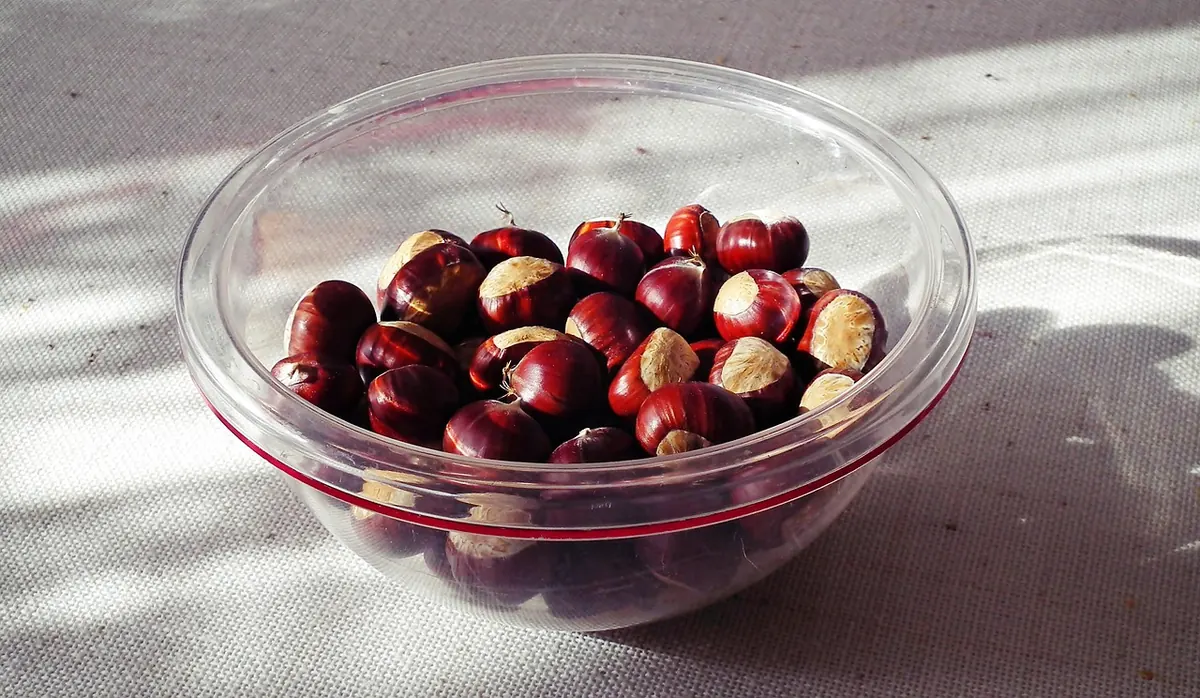
Chestnut and mushroom risotto has a reputation problem. It sounds like a Sunday dish, the kind that comes with a pot of stock sighing on the back burner and nobody asking what is for dinner. On a Tuesday, it can still work. The trick is to treat the chestnuts as a pantry ingredient rather than a project, and to build the risotto around mushrooms you already like. Fresh, dried, or vacuum-packed chestnuts all have a place here. The method stays the same. The timing changes.
Chestnuts bring sweetness and a soft, starchy body that melts into the rice. Mushrooms bring the savory depth that keeps the dish from tasting like dessert. Together they need very little help: an onion, a splash of wine if you have it, good stock, butter, and parmesan. That is a weeknight ingredient list, not a holiday one.
You also do not need a mountain of chestnuts. Around 150 to 200 grams of peeled chestnuts is enough for four generous bowls. More than that and the risotto turns heavy. The mushrooms can be humble button or cremini, or a mixed bag with a few wild mushrooms if they look good. Brown them properly and they will taste like more than they cost.
Risotto is forgiving in the way that matters on a weeknight. You do not have to stir it without stopping. You do need hot stock, a gentle simmer, and a final rest off the heat. The rice should be tender with a slight bite at the center, and the whole thing should flow when you shake the pan.
The recipe works with three common kinds of chestnuts. The differences are mostly preparation and when they go into the pot. Dried chestnuts are not water chestnuts; look for bags labeled dried chestnuts, usually sold near dried fruit or in Italian groceries.
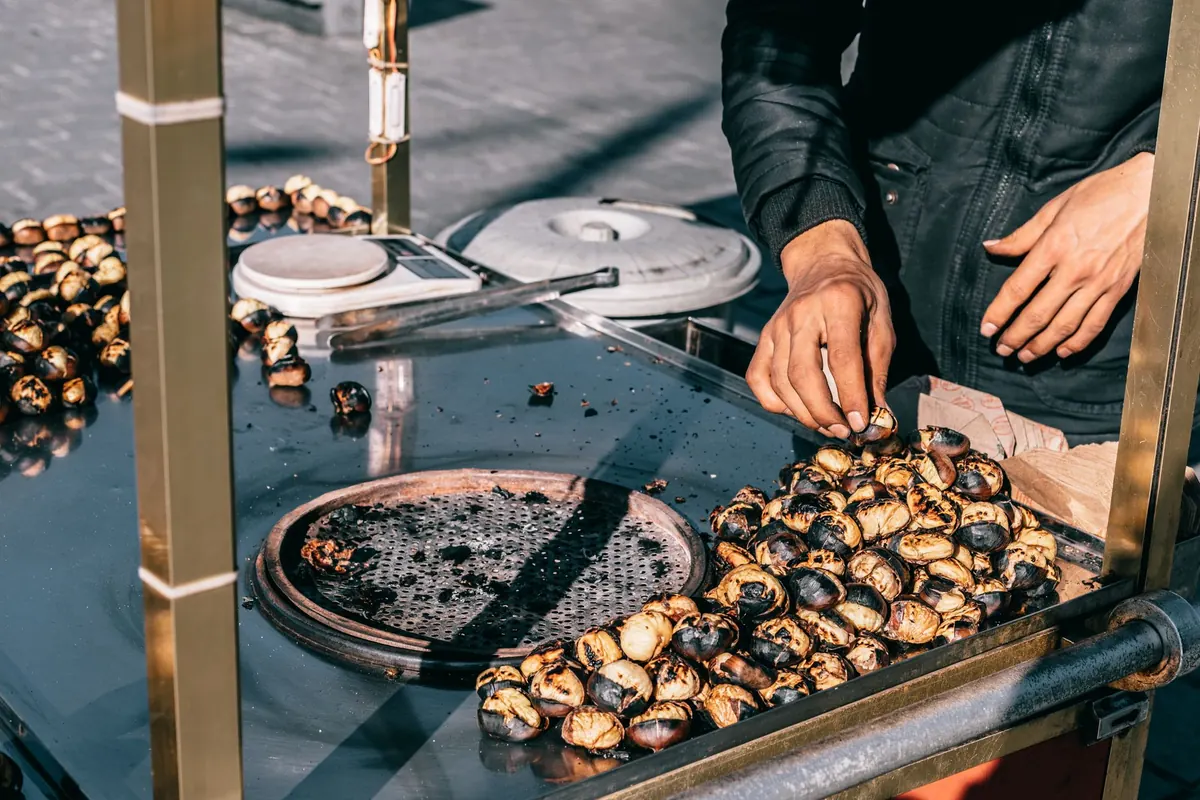
Fresh chestnuts are the most work and the best texture if you get them right. Score the flat side with a small knife, then boil them for 20 to 30 minutes or roast them at 200°C for 20 to 25 minutes. Peel while they are still warm; the inner skin comes away more easily that way. For this risotto, cook them until tender, peel, and crumble or chop them roughly. Add them about 7 to 8 minutes before the rice is done so they warm through without disappearing.
Dried chestnuts need planning, but not much attention. Cover them with warm water and soak for at least 2 hours, or overnight. Simmer for 20 to 30 minutes until a knife slides in easily, then drain and chop. Keep a little of the soaking liquid if it tastes clean and nutty; strain it and use it as part of the stock. Add the chopped chestnuts about 8 to 10 minutes before the end of cooking. They are firmer than fresh ones, so they can take a little more time in the pot.
Vacuum-packed chestnuts are cooked and peeled, which makes them the weeknight shortcut. Rinse them, pat them dry, and chop them coarsely. Add them 4 to 5 minutes before the rice is done. If you add them too early, they break down and the risotto turns sweet and pasty. If you add them at the very end, they stay in distinct pieces, which is pleasant but less integrated. Five minutes is the useful middle ground.
This serves four. Use a wide pan or a Dutch oven; a crowded pot steams the rice instead of letting it cook evenly.
Use these as your at-a-glance guide. The rice timing is the same; the chestnut timing is what changes.
Mushrooms release water before they brown. Use a wide pan, fairly high heat, and resist the urge to stir constantly. If you crowd them, they will steam and taste flat. Cook them in two batches if your pan is small. A little thyme added at the end of browning is a good move; dried porcini soaked in warm water and strained into the stock is even better.
The stock is most of the flavor. Keep it warm, and taste it before you start. If it is salty, use less parmesan at the end. If it is bland, the risotto will be bland too. Add salt to the rice gradually, not all at once, because both the stock and the cheese bring salt with them.
The final butter and parmesan are not decoration. They emulsify the starch and stock into something creamy. Stir them in off the heat, then let the risotto rest for two minutes. Serve it in warm bowls, and do not let it sit in the pan for long; it tightens as it cools.
Keep vacuum-packed chestnuts in the pantry and this becomes a genuine weeknight dinner: brown mushrooms, toast rice, add stock, fold in chestnuts at the end. If you prefer fresh chestnuts, cook and peel them on a weekend and refrigerate them for a few days, or freeze the peeled chestnuts in a bag. Dried chestnuts reward a little planning the night before. Leftover risotto firms up; spread it in a shallow tray, cool it quickly, refrigerate, and reheat it with a splash of stock, or shape it into patties and crisp them in olive oil.
Photo: MrGajowy3 / Pixabay
Previous Post
How to Make Smooth Chestnut Puree for Desserts, Soups, and Sauces
Next Post
A Month-by-Month Chestnut Cooking Calendar for Fresh, Dried, and Frozen Nuts