A Month-by-Month Chestnut Cooking Calendar for Fresh, Dried, and Frozen Nuts
Fresh chestnuts have a short, busy season, but the chestnut kitchen does not close when the last sack leaves the market. Dried nuts keep the pantry stocked, and frozen peeled nuts make quick suppers possible. The useful skill is knowing which form to buy, when to cook it, and how to preserve the surplus. This calendar follows the year as a home cook lives it: buy fresh nuts when they are firm and sweet, freeze what you cannot use, and let dried and frozen chestnuts carry the quieter months. It is less a rigid timetable than a set of prompts—a reminder to check the paper bag in the fridge, soak a bowl of dried nuts before work, or turn a cup of purée into Sunday lunch.
This is a loose map, not a rigid timetable. Weather, variety, and local supply move the dates by a few weeks. The calendar assumes a northern-hemisphere season; in the southern hemisphere, shift it by six months.
Before the calendar begins, it helps to know what you are looking for in each form. The same nut behaves differently depending on whether it is fresh, dried, or frozen, and a little attention at the shop saves waste at home.
Rough equivalents are useful when a recipe calls for a form you do not have. A pound of fresh in-shell nuts usually gives about 2 to 2 1/2 cups peeled nuts, depending on size and how carefully you peel. A cup of dried chestnuts expands to about 1 3/4 to 2 cups after soaking and simmering. A cup of purée is roughly the amount you get from 1 1/2 cups packed peeled nuts, though texture varies with how much liquid you add.
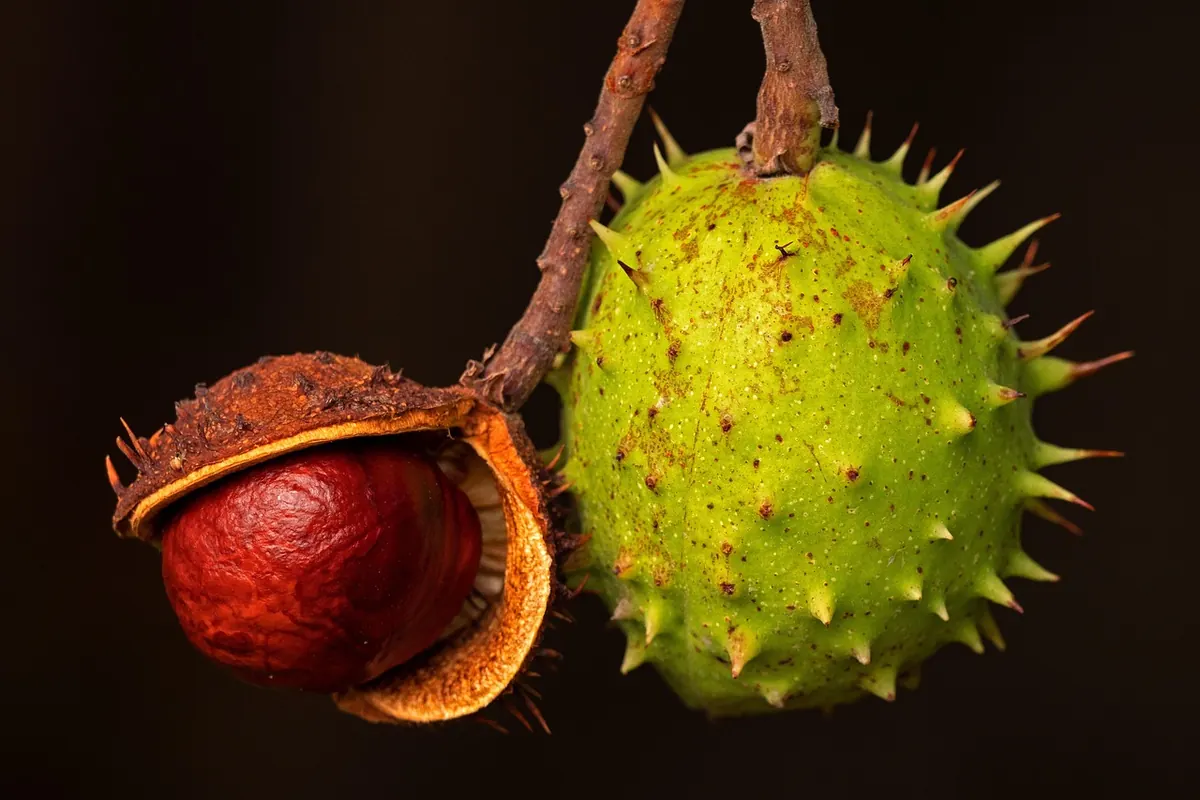
By January, fresh chestnuts are often the last of the autumn harvest. They are still good, but they are less forgiving. Buy only what you can use in a week or two, and choose nuts that feel heavy for their size. The shells should be glossy and tight, with no small holes, soft patches, or powdery mold at the stem end. A rattling nut is usually a dry one. If you discover a soft nut in the bag, remove it at once; one bad nut can flavor the rest.
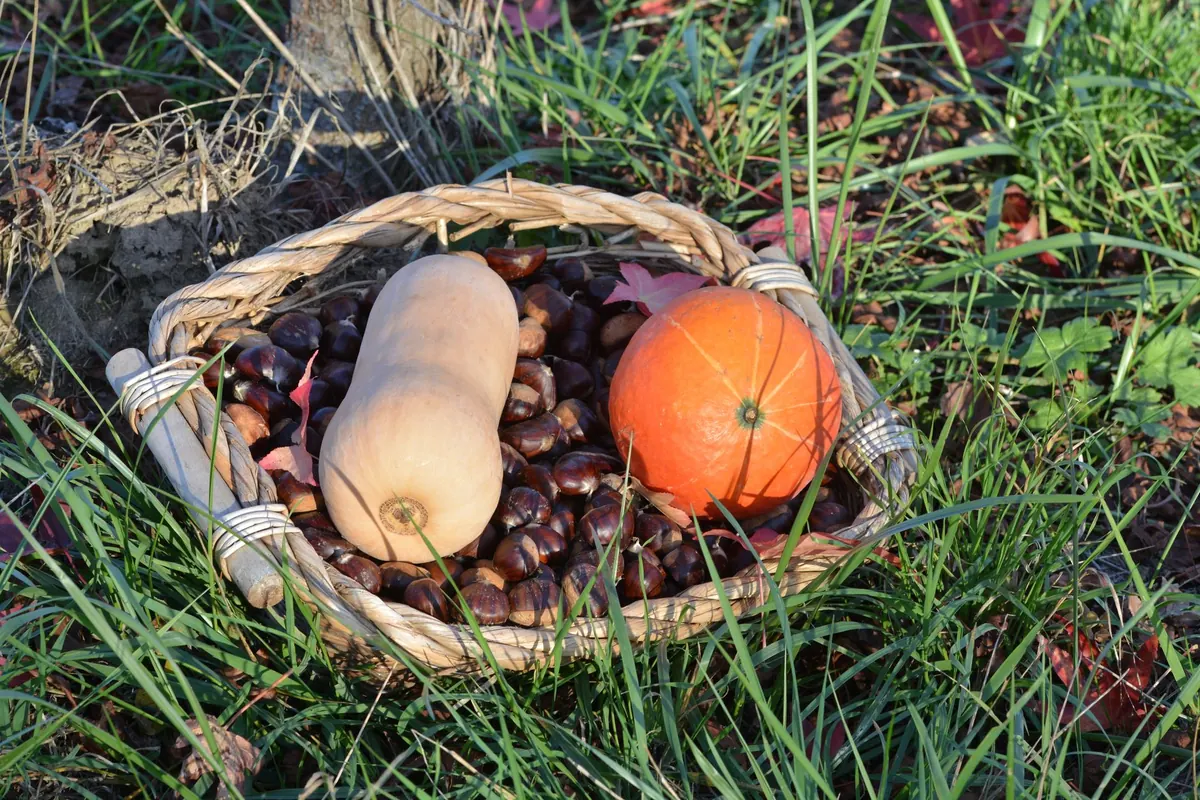
Keep fresh chestnuts in the refrigerator in a paper bag with a few holes, or in a shallow basket covered with a cloth. A sealed plastic bag traps moisture and invites mold. Spread them in a single layer if you have room. Check every few days and remove any nut that feels soft or smells sour. Do not wash them until you are ready to cook.
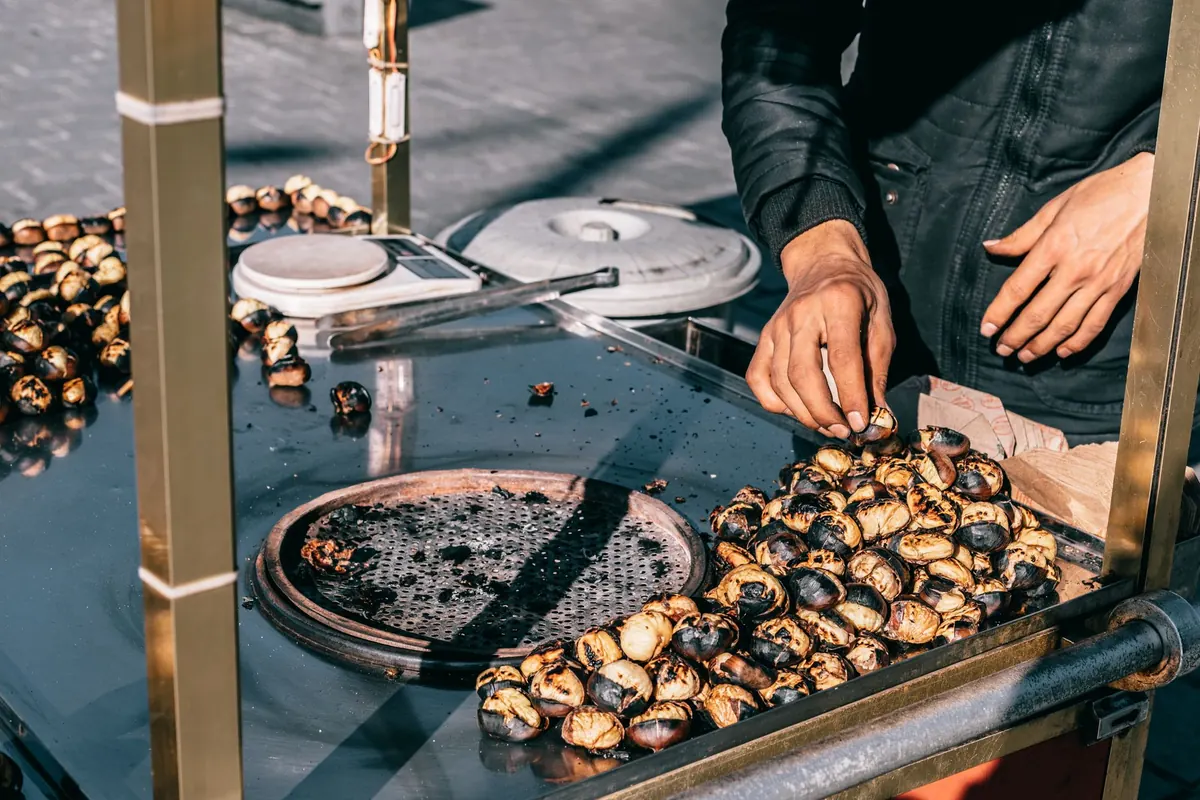
Score each nut with a shallow cut across the rounded side, then roast in a hot oven or simmer in water until tender. A reliable oven method is 200°C/400°F for 20 to 25 minutes; for boiling, simmer scored nuts for 15 to 20 minutes, then test one. Peel while warm; the inner skin comes away more easily. Freeze the peeled nuts in a single layer on a tray, then bag them in small portions. Label with the date and whether they are raw-cooked or roasted. For purée, blend peeled nuts with a little milk, stock, or water, plus butter if you like, and freeze in cup-sized containers. A portion of purée stirred into soup or spooned over toast makes a fast February lunch.
When fresh nuts disappear, dried chestnuts become the backbone of the kitchen. They are dense, sweet, and easy to keep. Buy them from a shop with steady turnover; the nuts should look whole and clean, not dusty or broken. Store them in an airtight jar in a cool, dark cupboard, and keep chestnut flour in the freezer if you use it slowly.
Dried chestnuts need time, not fuss. Put them in a bowl, cover with plenty of cold water, and leave them overnight—six to eight hours is usually enough. Drain, rinse, and simmer in fresh water or stock until tender. The exact time depends on the nut and its age, so test one. Once soft, they can go into stews, soups, stuffing, or a simple braise with lentils and rosemary. Discard the soaking water; it often tastes bitter.
Chestnut flour brings a sweet, nutty flavor to cakes, pancakes, and simple biscuits. It has no gluten, so pair it with wheat flour in yeast breads or use it in batters that do not need structure. In a plain cake, replacing up to one-quarter of the wheat flour with chestnut flour adds flavor without making the crumb too heavy. Keep bags sealed and cold; flour picks up pantry smells quickly. A spoonful of frozen chestnut purée folded into a spring cake is a good way to use the last of the winter stores.
Summer is not chestnut season, but it is a good time to use what you preserved. Frozen peeled nuts can go straight into soups and stews; for purée, thaw them first so the texture stays even. Frozen roasted nuts are excellent in grain salads with bitter greens, or warmed with butter and thyme as a side dish. Do not let them sit in the freezer for years. Use the oldest portions first and label every container.
This is also the season to take inventory. Count what is left, check dried nuts for insects or damp, and wipe out the freezer. If you have more purée than you can use, make a batch of chestnut ice cream or fold it into whipped cream with a little cocoa. By August, the cupboard should be nearly empty and ready for the new harvest.
Early chestnuts appear in markets and farm stands, often in small quantities. Buy a handful before you commit to a sack. Roast a few and taste them: the flesh should be sweet and easy to peel, not chalky or bitter. Early nuts can be smaller and harder to peel; they are best for soups or purée where appearance matters less. If the test batch pleases you, return for more. At peak season, buy in quantity, but only what you can process within a few days. Set aside an afternoon for scoring, roasting, peeling, and freezing; it is tedious work, but it stocks the winter pantry.
There are three reliable ways to cook fresh chestnuts. To roast, score each nut and bake at 200°C/400°F until the shells curl back and the flesh is tender. To boil, score and simmer in lightly salted water until a knife slips in easily. To steam, score and cook over boiling water, which keeps the flesh moist. Peel while warm. A good chestnut slips out in two pieces; if the inner skin clings, return it to the heat for a few minutes and try
Photo: André Cogez / Pexels
Previous Post
Chestnut and Mushroom Risotto: A Weeknight Recipe With Fresh or Dried Chestnuts
Next Post
What to Cook With Fresh Chestnuts in October and November