How to Roast and Peel Chestnuts in the Oven: A Step-by-Step Guide
Roasting chestnuts in the oven is one of the simplest pleasures of autumn, and also one of the easiest things to get wrong. If you have opened a tray to find hard centers, scorched shells, or papery skin glued to the nut, you know the frustration. The fix is not a secret technique or special equipment. It is a sharp knife, a hot oven, and a little patience at the peeling stage. This guide walks you through choosing, scoring, roasting, and peeling chestnuts so they come out tender and sweet, not dry or burnt. Along the way, you will also learn how to test for doneness, avoid the most common mistakes, and use up a big batch without letting it go to waste.
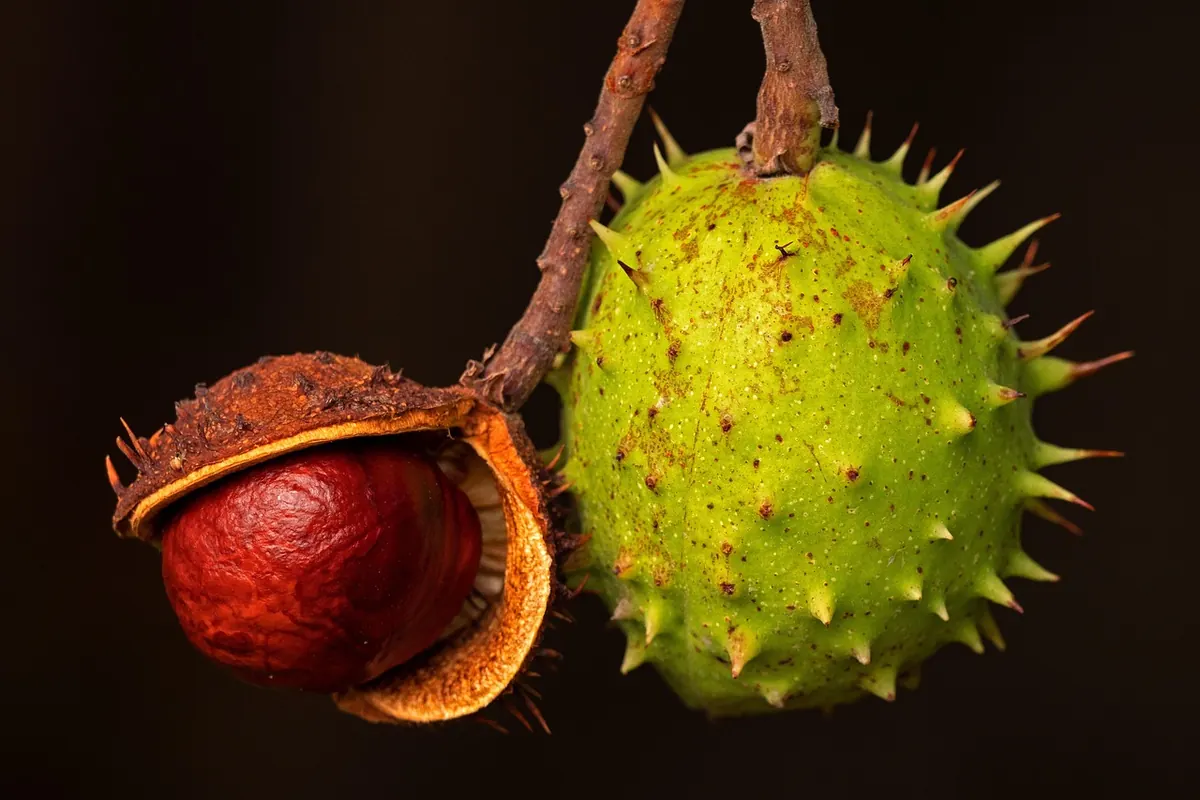
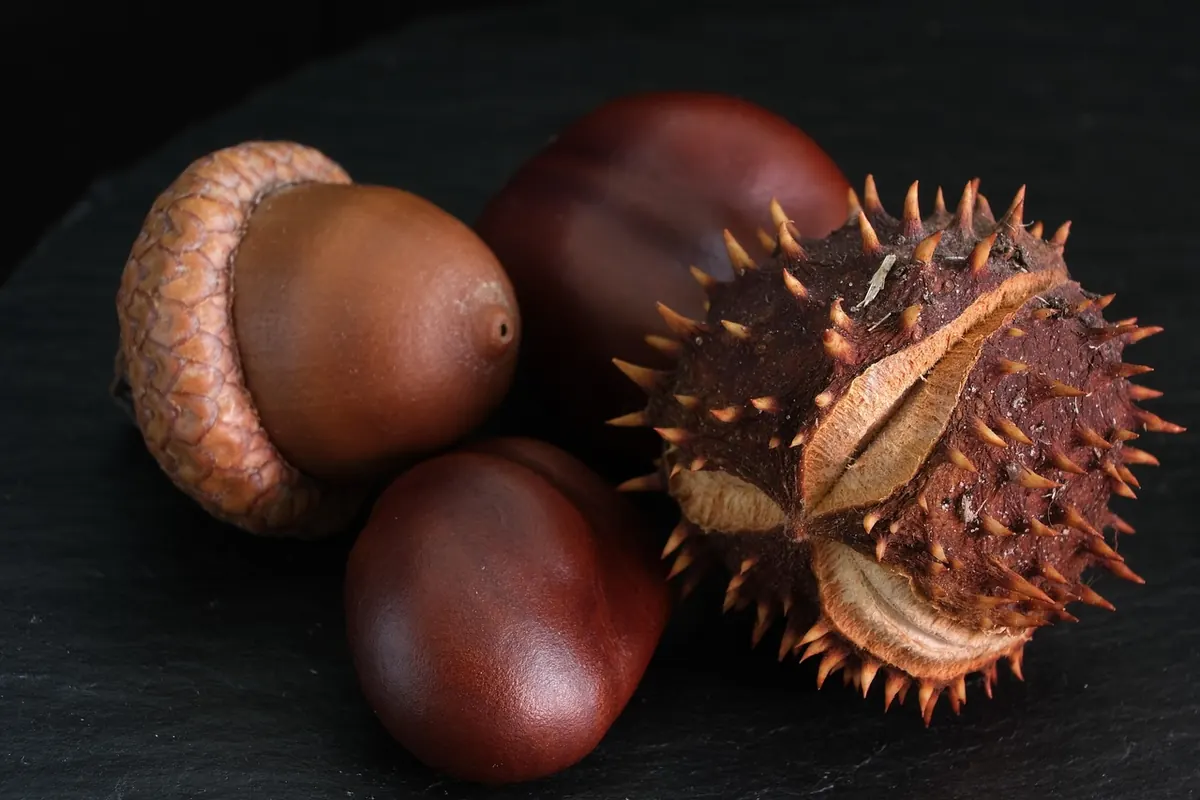
Good roasting begins at the market or grocery bin. Fresh chestnuts should feel heavy for their size and firm in your hand. A light chestnut with a rattling feel has probably dried out, and no amount of oven time will bring back its texture. Look for glossy shells and a clean, nutty smell. Avoid any chestnut with a hole, a powdery patch of mold, or a shriveled tip; those problems do not improve in the oven. A small hole can also mean a pest has already found the nut before you did, and mold will only become more obvious once the shell opens.
Buy only what you can roast within a few days, or store them in the refrigerator in a breathable bag. Chestnuts are high in moisture and starch, so they spoil faster than almonds or walnuts. A common mistake is to treat chestnuts like winter squash or onions and leave them in a bowl on the counter for a week. They may look sturdy, but their high moisture content makes them perishable. Store them in a perforated plastic bag or a paper sack in the refrigerator, and plan to roast them within three to five days. If you buy a large bag, sort through it before roasting and discard any nuts that feel light or show mold.
Scoring is not decorative. An unscored chestnut traps steam, and the shell can burst in the oven with a sharp pop. A proper slit gives that steam a place to escape and makes peeling much easier. It also signals exactly where the shell should open, so you are not fighting a sealed nut later.
Use a small, sharp paring knife or a serrated chestnut knife. Place the chestnut flat side down on a cutting board so it cannot roll. Hold it steady with your fingertips well away from the blade. Cut a wide slit across the rounded side, through the outer shell and the papery brown skin. The cut should be long enough to open visibly, roughly the length of the nut, but not so deep that you split the flesh in half. A shallow scratch will close up as the chestnut roasts; a deep cut wastes edible nut and can make the interior dry.
If you are roasting a large batch, score everything first and keep the chestnuts in a bowl. Do not score them days ahead. Cut shells dry out, and the exposed flesh can darken. Ten minutes at the cutting board is enough for a tray. Work steadily rather than rushing: a wet or curved chestnut can slip, and the knife is small but sharp. A damp towel under the cutting board will keep it from sliding while you work.
Cut away from your body and keep the hand holding the chestnut behind the blade, not in front of it. If a chestnut is especially round or stubborn, set it on the board and use the knife’s tip to start the cut before drawing the blade gently across. A cut-resistant glove is not required, but it is a sensible choice if you are roasting several pounds at once.
Tip: A single wide slit is usually better than a tiny cross. The goal is a clear vent and an easy opening, not a decorative pattern.
Heat the oven to 200°C (400°F). If you use a fan-assisted oven, lower it to about 180°C (350°F) because the moving air browns the shells faster. Position a rack in the middle of the oven and line a rimmed baking sheet with parchment paper or aluminum foil. Parchment reduces sticking and makes cleanup easier; foil can speed browning on the cut edges. Arrange the chestnuts in a single layer, cut side up. Crowding steams them, which can make the shells harder to peel and the flesh soggy. If you have more chestnuts than fit comfortably, use two trays or roast in batches. A standard rimmed sheet pan usually holds about 1 pound of medium chestnuts without crowding.
Roast for 20 to 30 minutes, depending on size and freshness. Check the first chestnut at the 20-minute mark. The shells should curl open at the score, the exposed edges should look lightly browned, and the flesh should feel tender when pierced with the tip of a knife. Small chestnuts may finish in 15 to 20 minutes, while large ones can take 30 to 35 minutes. Shake the pan once halfway through so they brown evenly. Do not walk away near the end of roasting: chestnuts can go from perfectly tender to dry and scorched in a few minutes.
Pull one chestnut from the tray and let it cool just enough to handle. Peel back the shell and skin. The nut should be creamy and tender, not chalky in the center. If it still feels firm, return the tray to the oven for another 5 minutes and test again. If the flesh is already dry but the center is hard, the chestnut was probably old or had dried out before roasting; no further oven time will fix that texture.
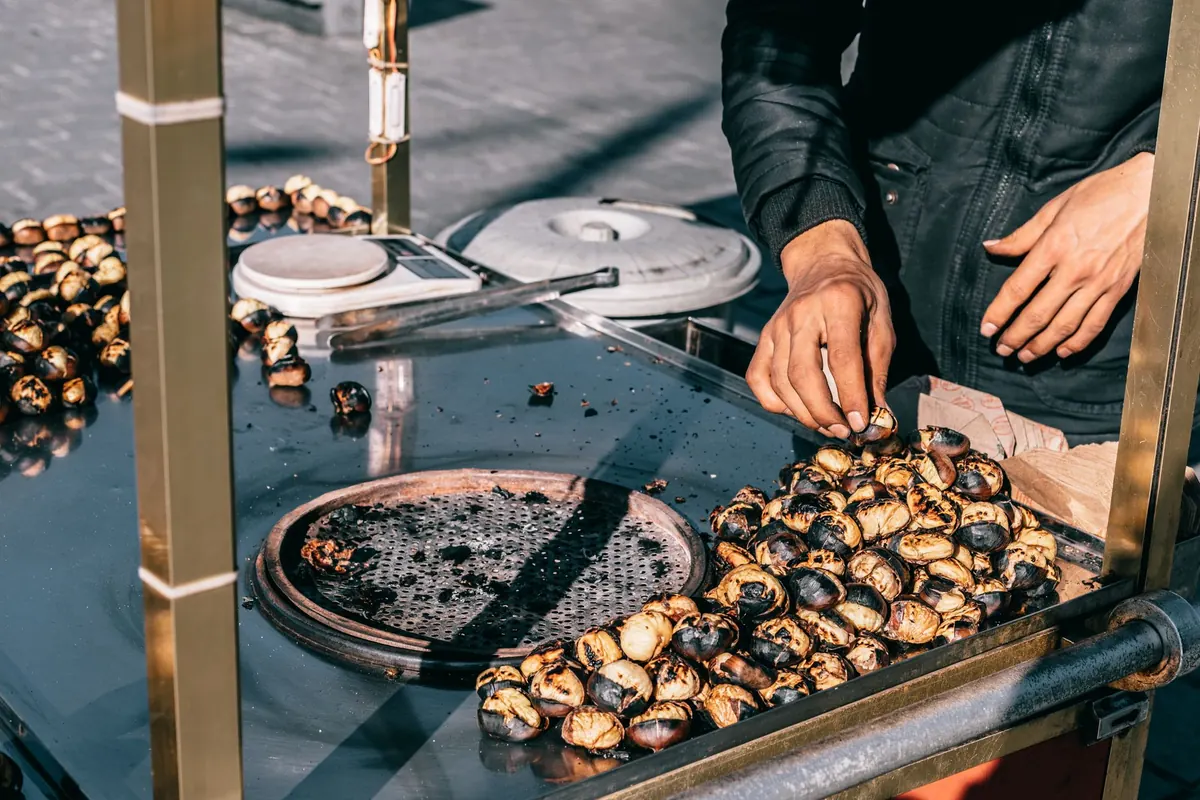
The hardest part of roasting chestnuts is not the oven. It is the peeling. Chestnuts peel best when they are hot, but they are too hot to handle straight from the tray. The solution is to work in small batches and keep the rest wrapped in a clean kitchen towel so they stay warm. Cold chestnuts tighten their grip on the papery skin, and that is how you end up with a bowl of nuts covered in brown flecks.
If the skin clings stubbornly, try scoring a little deeper next time or roasting for a few extra minutes. Very fresh chestnuts sometimes hold onto the inner skin more than slightly older ones, but warmth is still the key. Avoid soaking peeled chestnuts in water to remove the skin; it cools them down and makes the flesh soggy.
Tip: Peel over a tray or bowl so the papery skins do not scatter across the counter. The skins are light and cling to everything.
Roasted chestnuts are best eaten warm, while the flesh is soft and the aroma is still strong. Serve them simply with a pinch of flaky salt, or add them to a plate of cheeses, cured meat, and sliced apples. They also make a good addition to stuffings, soups, and winter salads, but let them cool completely before chopping if you are using them in a recipe. Warm chestnuts can crumble when cut.
For a casual snack, pile them in a bowl and let guests peel their own. For a more polished plate, peel them fully and toss the warm nuts with a little butter, rosemary, and black pepper. A drizzle of honey works well with milder chestnuts, while a squeeze of lemon keeps the flavor from feeling too rich. If you are serving them with drinks, remember that chestnuts are starchy and filling; a small bowl goes a long way.
Peeled roasted chestnuts will keep in a covered container in the refrigerator for three to four days. To store them longer, freeze them in a single layer on a tray, then transfer to a freezer bag. They can be reheated in a low oven or used directly in soups and stuffings. Unpeeled roasted chestnuts are best eaten the same day; once they cool, the skins become difficult to remove and the flesh loses its soft texture.
With a hot oven, a clear score, and a towel to keep the batch warm, roasting chestnuts becomes a reliable autumn ritual rather than a gamble. Eat what you can while they are warm, peel the rest promptly, and store the leftovers so the next batch is easier than the first.
Photo: wunschbildberlin / Pixabay