What to Cook With Fresh Chestnuts in October and November
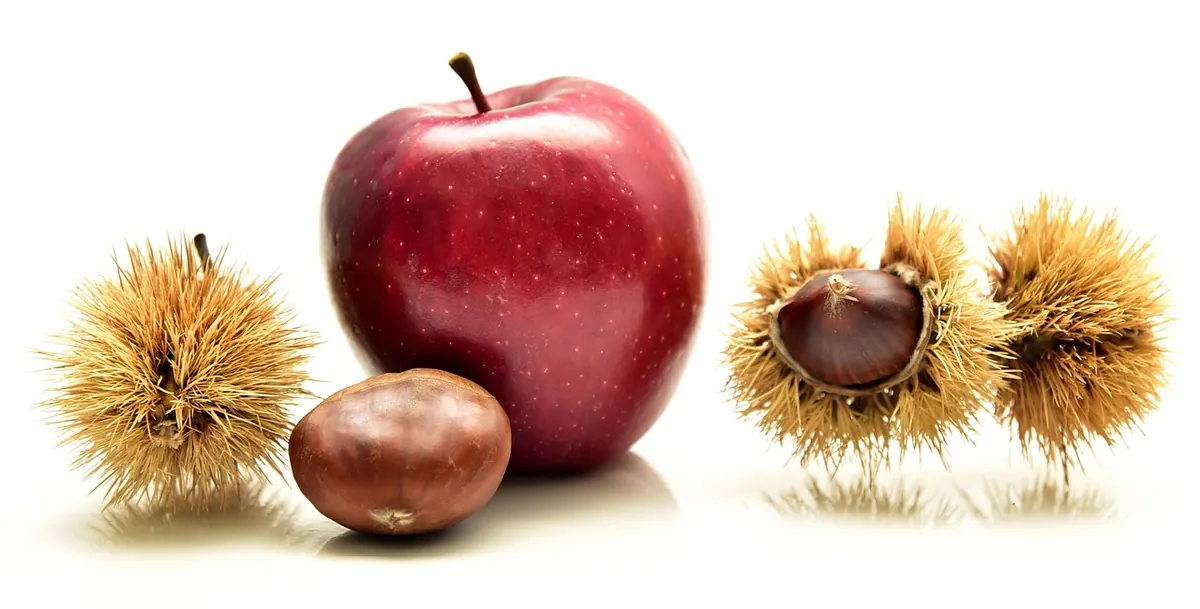
There is a narrow window in the chestnut year, and it opens somewhere around the first cold morning of October. The burrs split, the nuts drop, and for six or eight weeks the crop is soft, moist and sweet in a way it never is again. By December the same nuts have dried a little, lost some of that fresh snap, and started behaving like a pantry ingredient instead of a seasonal one.
That short peak is the reason to cook differently in October and November. This is not the moment for elaborate December cakes or long-cured sweets. It is the moment for soups, for chestnuts crushed into pasta, for a pan of greens with a handful of nuts crumbled over the top. And it all starts with one good prep session.
Fresh chestnuts are fussy. They carry a lot of water, they bruise, and they can go mouldy inside the shell before you notice anything from the outside. So buy them loose where you can and pick them up one at a time. A good chestnut feels heavy for its size and firm all the way around — no soft spot near the tip, no give when you press it. The shell should be glossy, not dull, and free of small round holes, which mean the weevil got there first.
At home, drop the whole batch into a bowl of cold water. Anything that floats goes in the bin; the sound ones sink. Then spread them on a cloth to dry and use them within a week or two. A paper bag in the fridge keeps them longer than a bowl on the counter, which is where they quietly turn.
Everything else in this piece depends on getting the nuts out of their shells without losing your temper. Both methods below work; the difference is what you plan to do with the chestnuts afterwards.
Score each nut once across the domed side with a small, sharp knife — a single cut about a centimetre long, through the shell but ideally not deep into the flesh. Bring a pan of water to the boil, add the chestnuts, and simmer for 20 to 25 minutes. Take them out a few at a time with a slotted spoon and peel while they are too hot to hold comfortably, using a tea towel. The shell and the thin inner skin should come away together in one or two pieces. As soon as they cool, the skin grabs on again and you will be picking at it for an hour.
Heat the oven to 200°C. Score the nuts as above, spread them on a tray and roast for 20 to 25 minutes, shaking the tray once or twice. The cut will open and curl back. Peel them while warm, wrapped in a towel to keep the steam in. A roasted chestnut is nuttier and slightly drier than a boiled one, which makes it the better choice for anything where you want texture rather than body.
A few things worth knowing before you start:
This is the dish to make the week the weather turns. Soften a chopped onion, a carrot and a rib of celery in butter and a splash of olive oil, with a pinch of salt, until everything is sweet and glassy but not browned. Add about 500g of boiled, peeled chestnuts, a sprig of rosemary, and enough light stock to cover by a couple of fingers. Simmer for 20 minutes, fish out the rosemary, then blend until smooth and push it through a sieve.
Loosen with hot milk or a little cream, taste, and season more firmly than feels natural — chestnuts are sweet and quiet, and they need salt to come forward. Serve it with something crunchy on top: fried sage leaves, crisp pancetta, or a scatter of toasted breadcrumbs. It keeps well in the fridge for a few days and thins out nicely with stock if it sets too firm.
The trick with chestnut pasta sauce is not to make a sauce at all. Crumble a few boiled chestnuts into a pan where you have warmed butter, a crushed garlic clove and a little chopped rosemary. Add a ladleful of milk and let it all cook gently, mashing the chestnuts with the back of a wooden spoon until you have a rough, soft mixture with some lumps left in it. A little grated Parmesan, plenty of black pepper, and a spoonful of the pasta water to bring it together.
Tagliatelle and pappardelle are the obvious partners, but short shapes work too, and the sauce holds better in their hollows. If you want it richer, start with diced pancetta rather than butter and skip the Parmesan. In November, when the nuts have dried a little, this is also the place to use the ones that were too fiddly to peel neatly.
Chestnuts are a natural bridge between sweet and savory, which is why they belong with dark, bitter leaves. Wilt down a head of cavolo nero or a big bag of spinach with garlic and olive oil, then fold in halved roasted chestnuts and a squeeze of lemon at the end. Or braise chickpeas with rosemary, a spoonful of tomato, and chestnuts broken into pieces, letting it all cook until the beans have taken on that faint sweetness.
For something simpler still, roast quartered Brussels sprouts or wedges of squash with oil and salt for 20 minutes, then add a handful of roasted chestnuts and a few sage leaves and give it another ten. It is a side dish that makes a plate of rice or a piece of cheese into dinner.
Save a portion of your peeled nuts for the sweet end of the meal. Simmer them gently in milk with a split vanilla pod and a little sugar until they fall apart, then drain and pass them through a sieve — the result is a soft, dense paste you can fold with whipped cream for a rough chestnut cream. It is unbeatable with a spoonful of unsweetened cocoa or a few pieces of dark chocolate on top.
October and November is also castagnaccio season, made with chestnut flour rather than fresh nuts. The batter is thin — flour, water, a pinch of salt, a little olive oil — and it bakes in a hot tin with pine nuts, raisins and rosemary scattered over, until the top crackles and the edges pull away from the pan. It looks unpromising when it goes in and rather beautiful when it comes out.
Fresh chestnuts are not a keeping crop. In a paper bag in the fridge drawer they will hold for a week or two; check them every few days and throw out any that have gone soft or show a bloom of mould. Never seal them in a plastic container at room temperature — the condensation will do the damage for you.
Cooked and peeled chestnuts freeze beautifully. Pack them in portions, press out the air, and they will see you through to the end of the year for soups and stuffings. Keep a small bag whole for salads, and a bag puréed for cakes. What you cannot do is eat them all in October, so plan on doing half the peeling at once, freezing what you do not use that day, and buying a second kilo the following week while the market still has them. Then let the season end when it ends.
Photo: ulleo / Pixabay
Previous Post
A Month-by-Month Chestnut Cooking Calendar for Fresh, Dried, and Frozen Nuts
Next Post
Chestnut Foraging Checklist: Gear, Timing, and What to Leave Behind